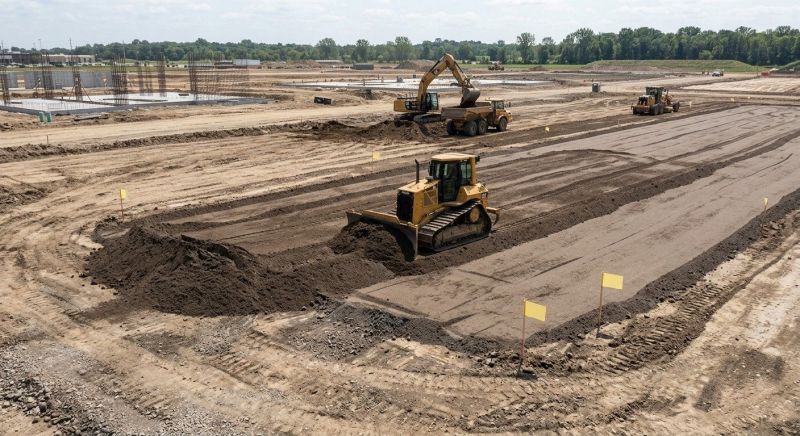
Parking Lot Excavation in Layton, UT
Parking lot excavation services involve the removal and preparation of soil and existing materials to create a stable foundation for new driveways, parking areas, or pavement installations. This process often includes grading, leveling, and trenching to ensure proper drainage and support for the project. Property owners typically request this service when constructing a new parking area, expanding an existing lot, or preparing a site for pavement or concrete surfacing, especially on uneven or overgrown land.
Before requesting parking lot excavation, property owners should consider the size and scope of the project, including the dimensions of the area to be excavated and any existing structures or underground utilities that may be present. It is also useful to understand local regulations or permits that might be required for excavation work. Proper planning ensures that the excavation aligns with the overall site development goals and meets any necessary standards for safety and durability.
Many property owners in Layton, UT look into Parking Lot Excavation for repairs, replacements, upgrades, and appearance-related improvements.
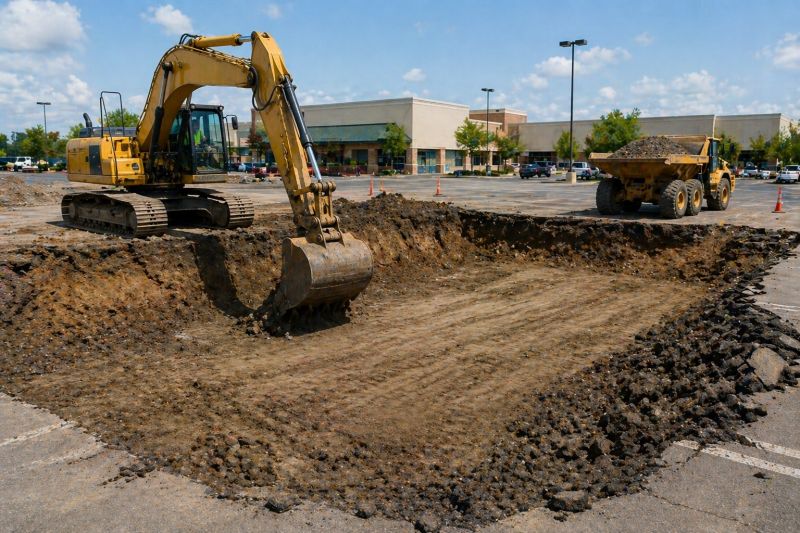
Preparation For Parking Lot Construction
Proper excavation ensures a stable foundation for parking lot projects in layton, ut.
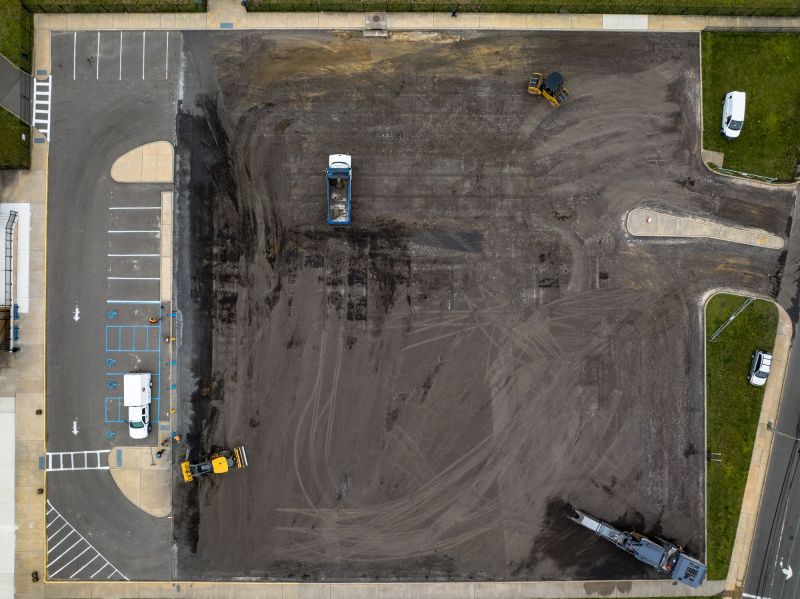
Site Clearing And Grading
Efficient removal of debris and leveling of the ground helps create a smooth surface for parking areas.
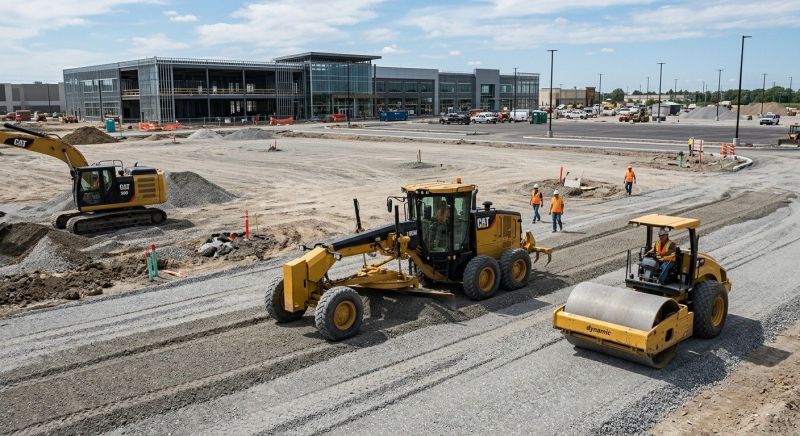
Drainage And Water Management
Excavation services include shaping the land to prevent water pooling and protect the pavement.
Parking Lot Excavation in Layton, UT
Parking lot excavation services involve the removal and preparation of soil and existing materials to create a stable foundation for new driveways, parking areas, or pavement installations. This process often includes grading, leveling, and trenching to ensure proper drainage and support for the project. Property owners typically request this service when constructing a new parking area, expanding an existing lot, or preparing a site for pavement or concrete surfacing, especially on uneven or overgrown land.
Before requesting parking lot excavation, property owners should consider the size and scope of the project, including the dimensions of the area to be excavated and any existing structures or underground utilities that may be present. It is also useful to understand local regulations or permits that might be required for excavation work. Proper planning ensures that the excavation aligns with the overall site development goals and meets any necessary standards for safety and durability.
Many property owners in Layton, UT look into Parking Lot Excavation for repairs, replacements, upgrades, and appearance-related improvements.
Common Parking Lot Excavation Jobs
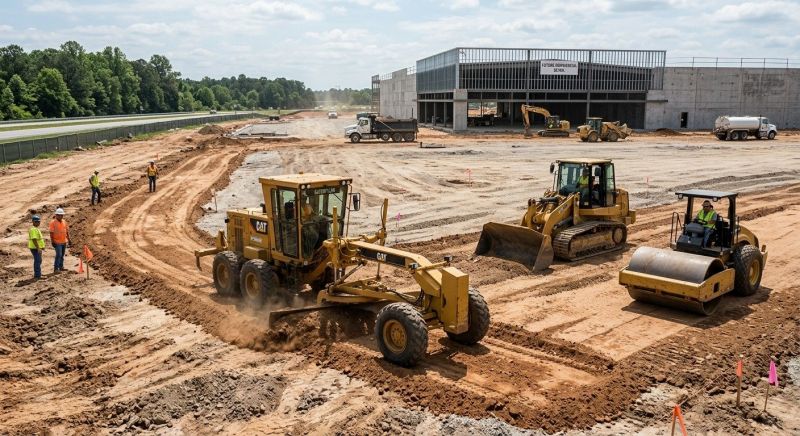
Parking lot excavation involves removing soil and debris to prepare the area for paving or surfacing.
Driveway excavation creates a stable base for new or replacement driveways.
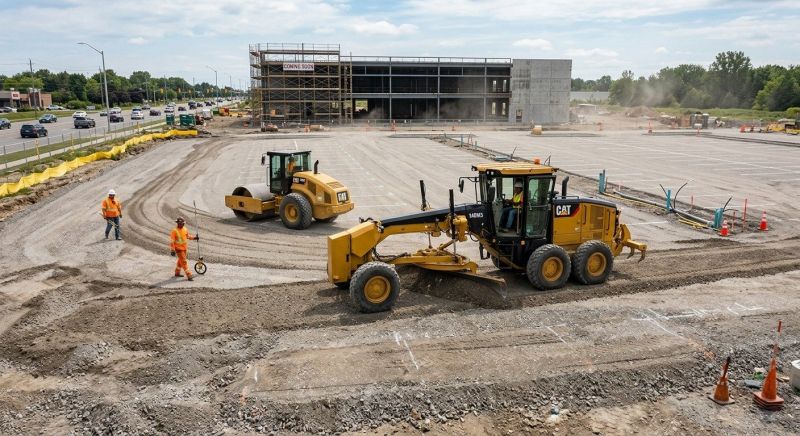
Commercial parking lot excavation supports large-scale paving projects for retail or industrial properties.
Site preparation excavation clears the land for parking lot construction and grading.
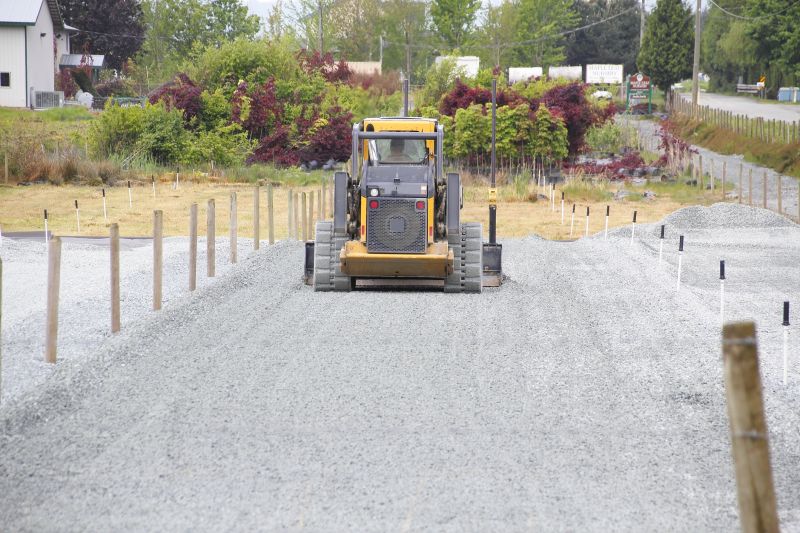
Subgrade stabilization ensures a solid foundation to prevent future settling or erosion.
Drainage excavation improves water flow and reduces flooding risks in parking areas.
Parking Lot Excavation Questions
What is parking lot excavation? It involves removing soil and existing pavement to prepare a site for new parking surfaces or improvements.
What types of projects require parking lot excavation? Projects such as new parking lot installations, enlargements, or resurfacing typically need excavation work.
What should property owners consider before excavation? It's important to assess the site’s soil condition, drainage needs, and any underground utilities beforehand.
How does excavation impact the construction process? Proper excavation ensures a stable foundation, helping to prevent future pavement damage or uneven surfaces.
Request Parking Lot Excavation in Layton, UT
Use the quote form on this page to share the basics of your project and request more information for the type of work you need.